Sooye Studio brand principle · Updated 27 July 2026
Why Sooye Studio Uses Written Configuration Confirmation Before Commitment
Direct answer: Sooye Studio uses written configuration confirmation because a desk power module or furniture accessory can change by model, destination, furniture, plug, cable, interface layout, finish, packaging and order quantity. A product image can begin a conversation, but it cannot close those decisions. We separate what is confirmed now from what still requires verification, then connect the selected product, sample and RFQ to one written record.
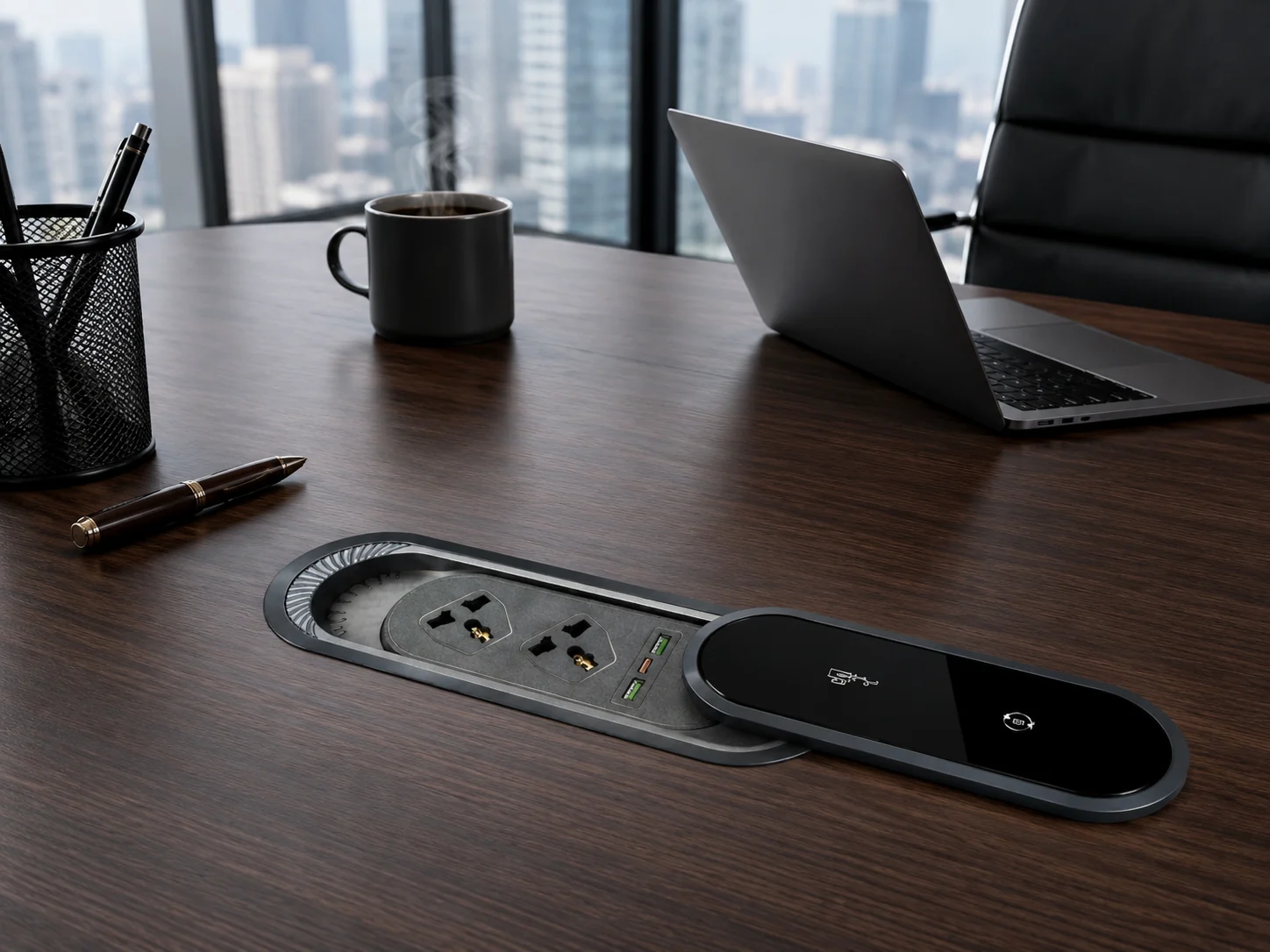
Our brand story begins with a simple sourcing problem
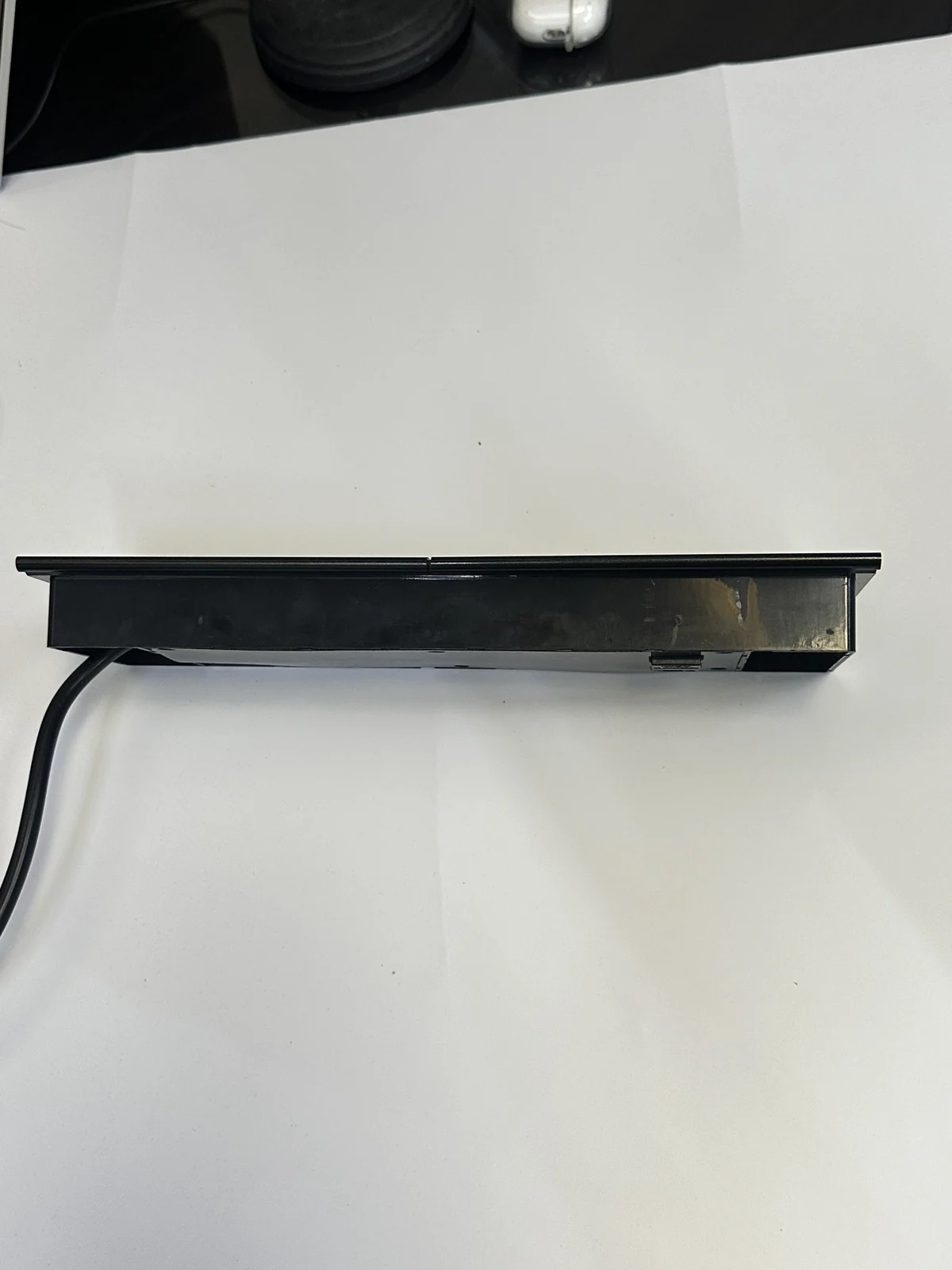
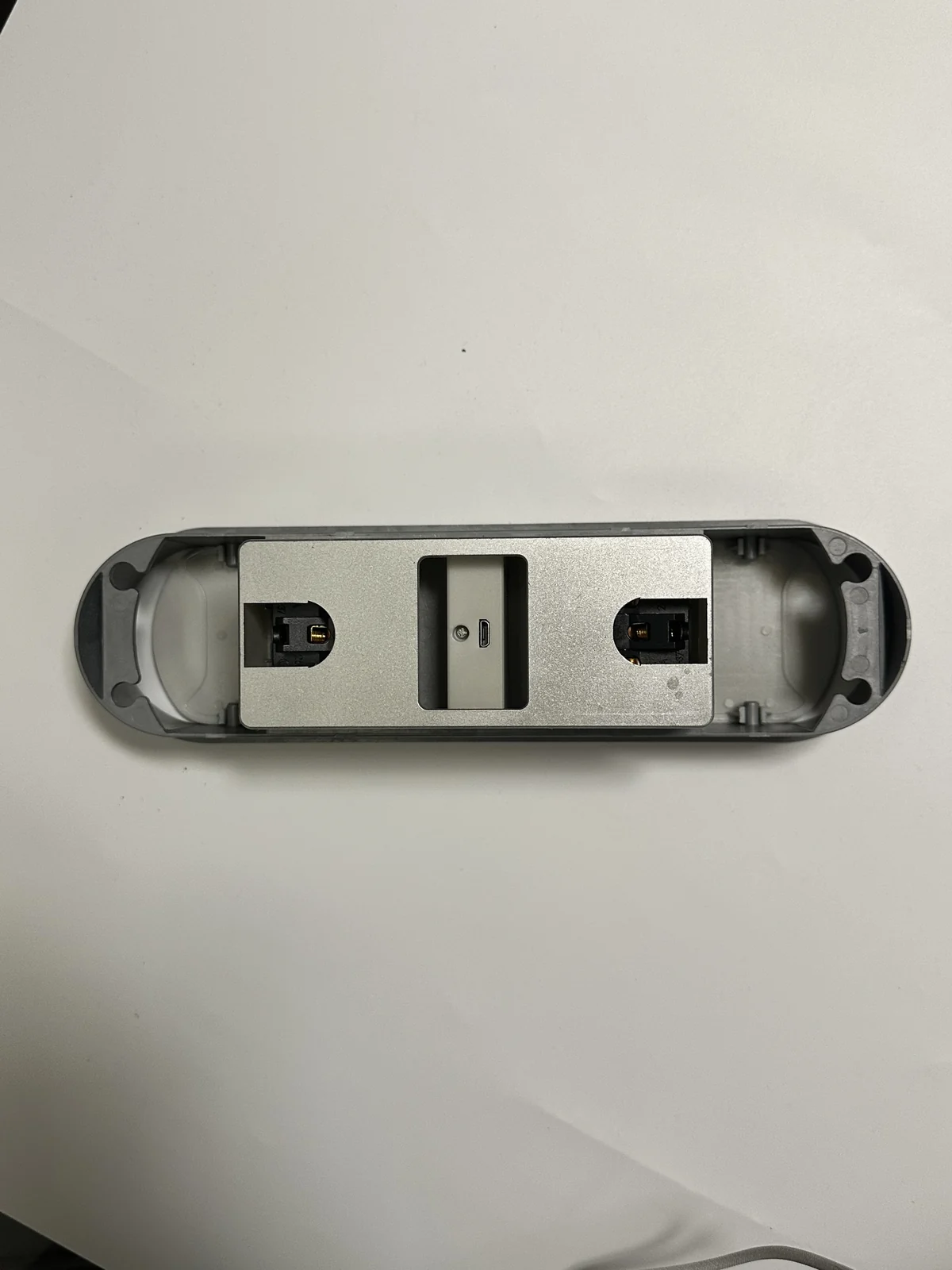
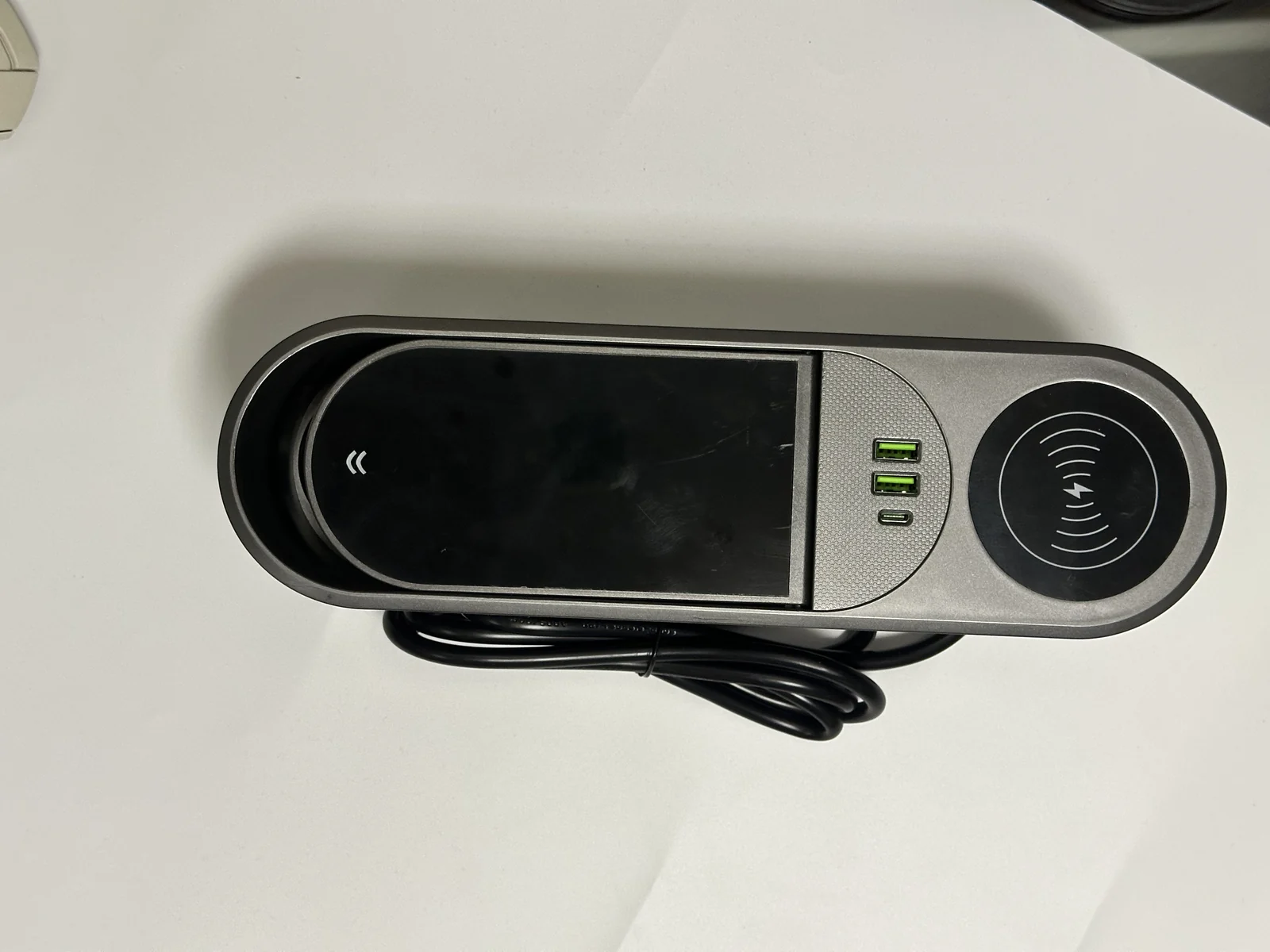
Office furniture buyers often start with a photograph. The picture may show a desk power module, cable grommet, handle, bracket or clamp that appears close to the intended product. But “looks similar” leaves many B2B decisions unanswered. The mounting method may be different. The furniture opening may not match. A visible port may not have the assumed function. The supplied plug and cable may vary by destination. Packaging, sample, quantity and documentation questions may still be open.
Sooye Studio’s role is to make those open decisions visible before commitment. Our working principle is Clear sourcing before commitment. It is a practical operating rule: identify the current product, record the application and destination, verify what evidence exists, review a paid sample when appropriate, and confirm the order-specific details in writing.
What is stable, and what can change
| Information layer | What the buyer can use it for | Required control |
|---|---|---|
| Current formal model | Identify the public Sooye Studio product reference | Use the model page and approved product record |
| Product photograph | Review visible form, interfaces, cable, plug or mounting parts shown | Do not infer hidden or unverified specifications |
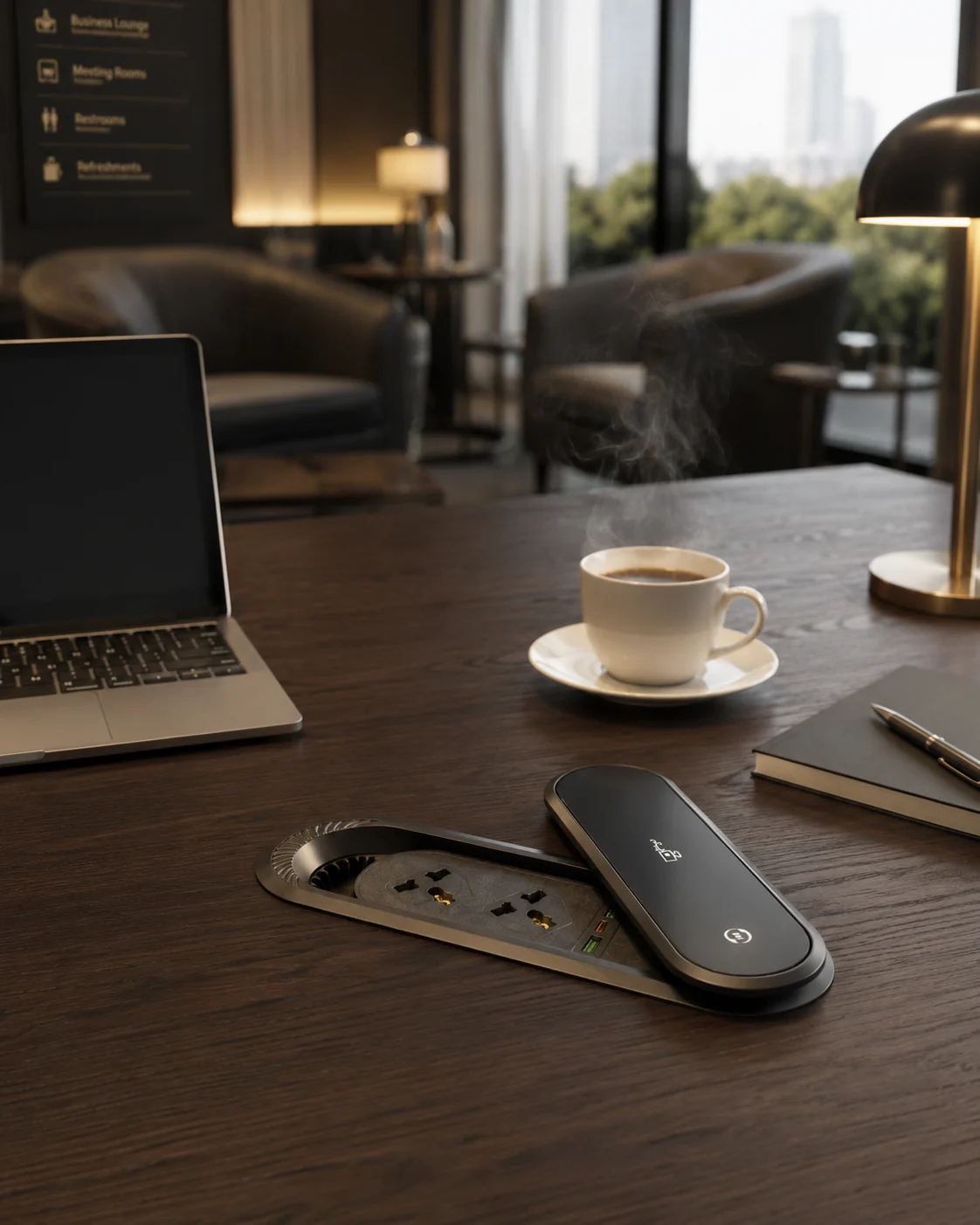
| Application scene | Discuss a potential office, hotel or commercial use context | Label it illustrative; do not present it as a customer project |
| Configuration request | Define destination, plug, cable, interfaces, finish and mounting needs | Confirm feasibility for the selected model and order |
| Commercial request | Discuss sample, quantity, packaging and requested delivery window | Use a written quotation; do not rely on a general page |
| Document question | Ask what original files apply to the exact product reference | Keep certificate original models and mappings traceable |
Why we do not publish one answer for every configuration
A single fixed statement can be easy to read and still be wrong for a specific order. MOQ is a clear example: desk power products and furniture handles do not necessarily use the same MOQ, and configuration can also affect the requirement. Sooye Studio therefore confirms MOQ by product, model, configuration and order.
Lead time is another example. We do not publish one standard number because the selected product, quantity, configuration, packaging, materials and current production conditions must be reviewed. The buyer should state the requested delivery window; the written quotation should state the applicable response.
The same rule applies to destination configuration and documentation. A certificate or report is not automatically transferred from its original model to a Sooye Studio DP or CM model. If an official mapping file does not exist, we do not present that document as coverage for the Sooye Studio model.
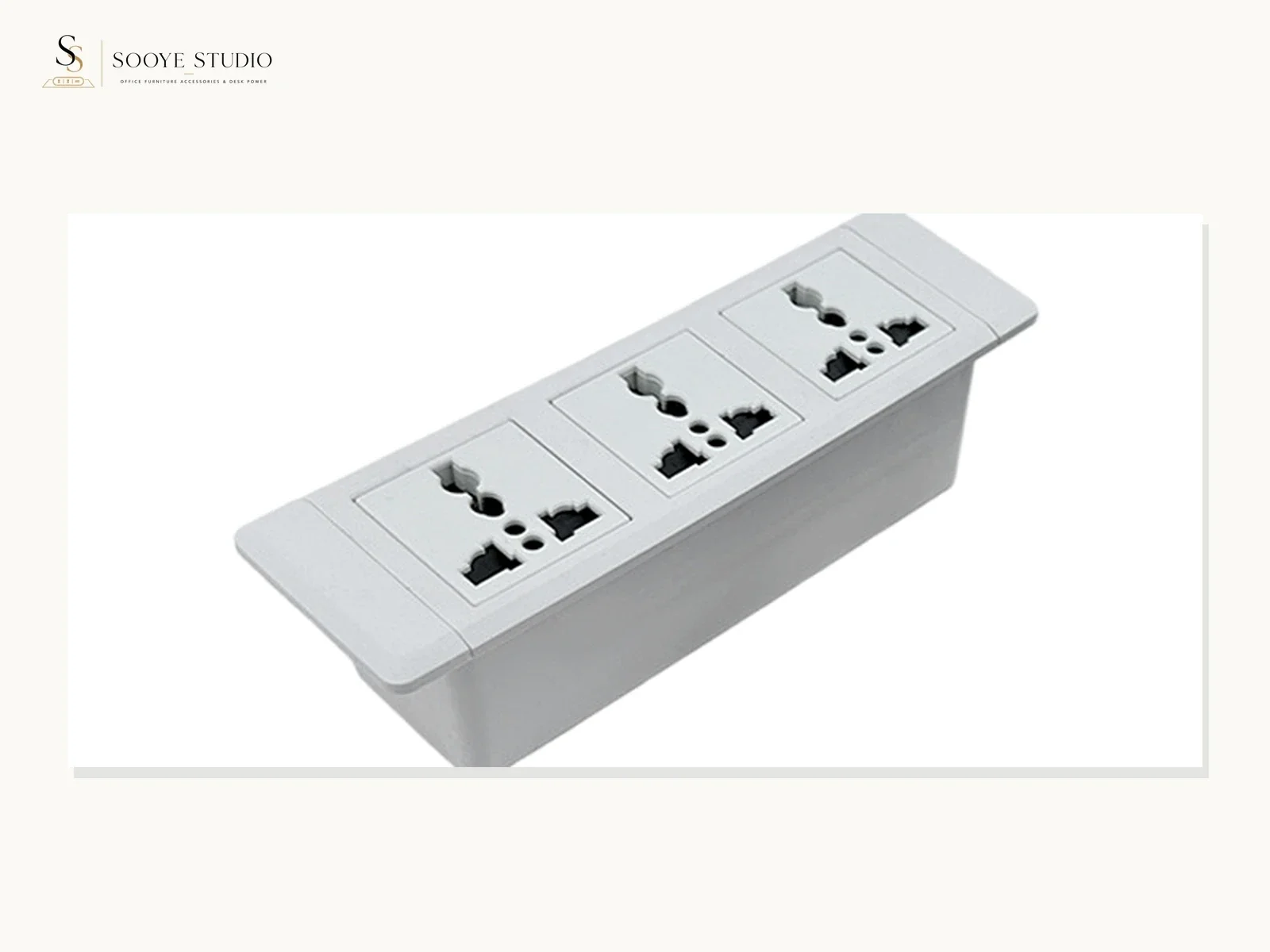
The Sooye Studio buyer path
Discover
Start with the product catalog, current model pages and application or buyer guides. Identify the closest product family without treating a similar image as final proof.
Verify
Check model identity, product evidence, furniture inputs, destination questions and document scope. Separate confirmed information from needs verification.
Sample
Use a paid sample to review visible configuration, furniture fit, supplied parts, finish, packaging and other defined checkpoints.
RFQ
Send quantity, configuration, destination, packaging, requested schedule, document and commercial questions for written response.
Written confirmation
Connect the selected model, drawing, sample reference, quotation and open items before commitment.
Repeat-order control
Use the approved reference to identify what should remain consistent and what must be reconfirmed for the next order.
Paid samples are part of verification
Paid samples are available for all current formal Sooye Studio models, and sample freight is paid by the buyer. The exact sample configuration, price, availability, preparation time and shipping arrangement are confirmed for the requested model. The sample should be evaluated against the buyer’s furniture, destination and acceptance questions, not only against an online photograph.
A good sample record identifies what was received, what was checked, what passed, what needs correction and which questions remain open. The record can then support a clearer RFQ and reduce the risk of approving one configuration while ordering another.
OEM, ODM, private label and new moulding need a defined scope
Sooye Studio can discuss OEM, ODM, private label and moulding for desk power products, cable grommets, furniture handles and brackets or clamps when the required quantity is sufficient. This is a capability discussion, not a promise that every requested change is available for every product.
Buyers should list each requested change separately:
- Logo or product marking
- Retail, project or bulk packaging
- Colour or finish
- Visible interface layout
- Plug and cable
- Mounting or structure
- New tooling or moulding
- Destination and document requirements
Sooye Studio then reviews feasibility, sample path, minimum quantity, tooling, commercial terms and the evidence needed for the exact request. Items are not treated as confirmed until they appear in the written response.
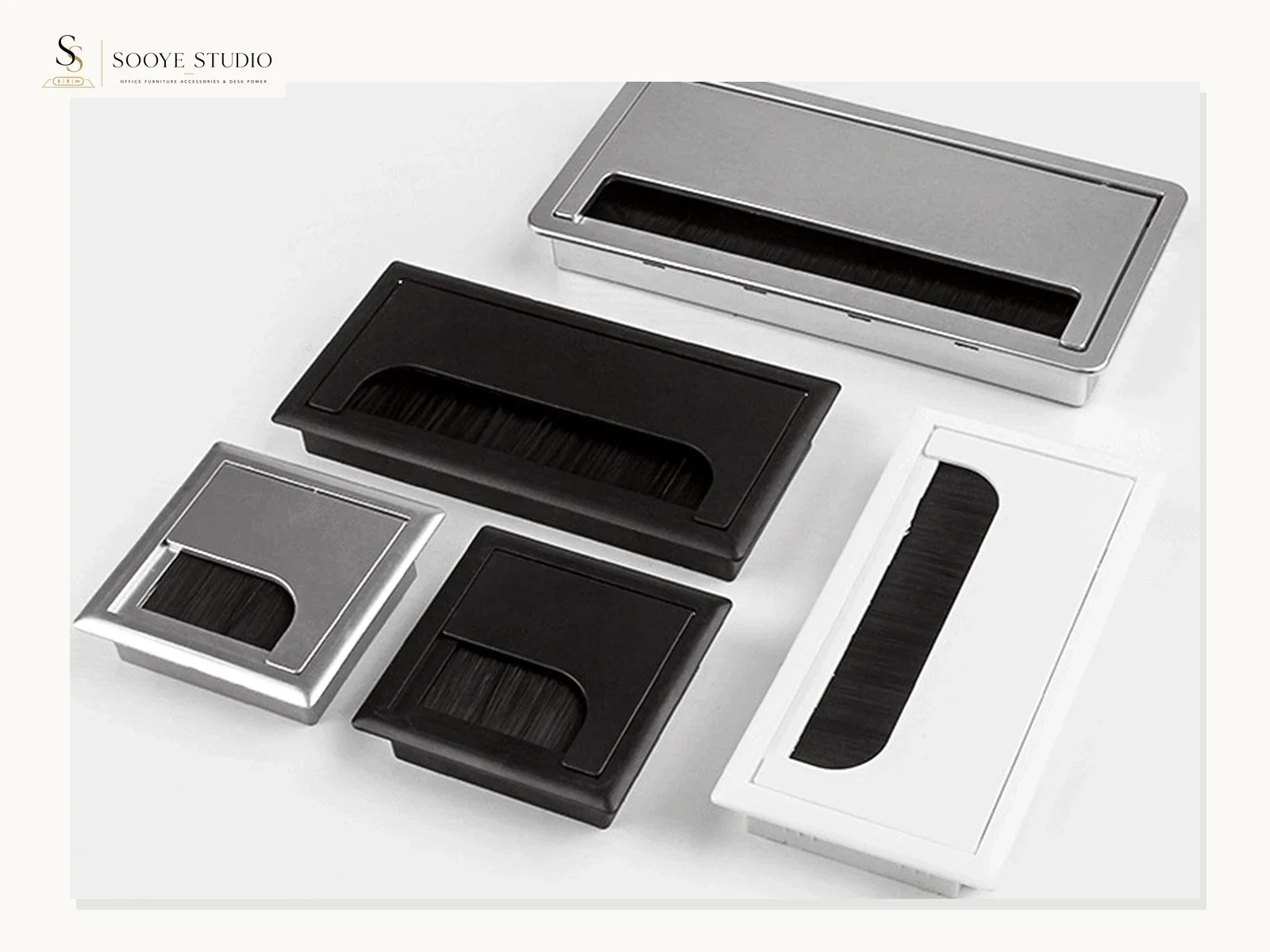
What should be confirmed after an RFQ
The RFQ is where a buyer turns a broad requirement into a comparable supplier response. For Sooye Studio, the following items normally belong in the model- and order-specific written review:
| RFQ group | Questions to close |
|---|---|
| Product identity | Exact model or controlled custom reference, drawing revision and approved visible configuration |
| Furniture fit | Opening or edge, thickness, underside space, fixings, cable route and representative sample result |
| Destination | Country, requested plug, cable, configuration, labels and document questions |
| Quantity and MOQ | Sample quantity, first order, forecast and MOQ for the selected product and configuration |
| Price and payment | Quoted product, sample, tooling, packaging, shipping and payment terms as applicable |
| Schedule | Sample preparation, production response and requested delivery window in writing |
| Packaging | Unit, carton, label, barcode, artwork, protection and approval requirements |
| Quality and warranty | Acceptance reference, inspection questions and the applicable order-specific warranty terms |
Our confirmed warranty starting point
Sooye Studio’s confirmed general warranty starting point is one year after shipment. For larger quantities, a longer period may be discussed. The exact duration, covered product, scope, exclusions, evidence and remedy must be stated in the written quotation or order agreement. That written record governs the order; a general brand page does not replace it.
What this approach gives the buyer
- A clearer difference between public information and order-specific commitments
- Fewer hidden assumptions about model, port, plug, cable or furniture fit
- A traceable path from product discovery to sample and RFQ
- A safer way to discuss documents without misusing certificate models
- A practical basis for comparing supplier responses
- A repeat-order reference that can be reviewed instead of remembered
What this approach does not claim
Written confirmation does not make every requirement feasible, remove the need for buyer review or turn a supplier statement into independent certification. It makes the sourcing record clearer. The buyer remains responsible for defining the intended application and destination, reviewing evidence, approving the sample and confirming that the final product meets the project’s requirements.
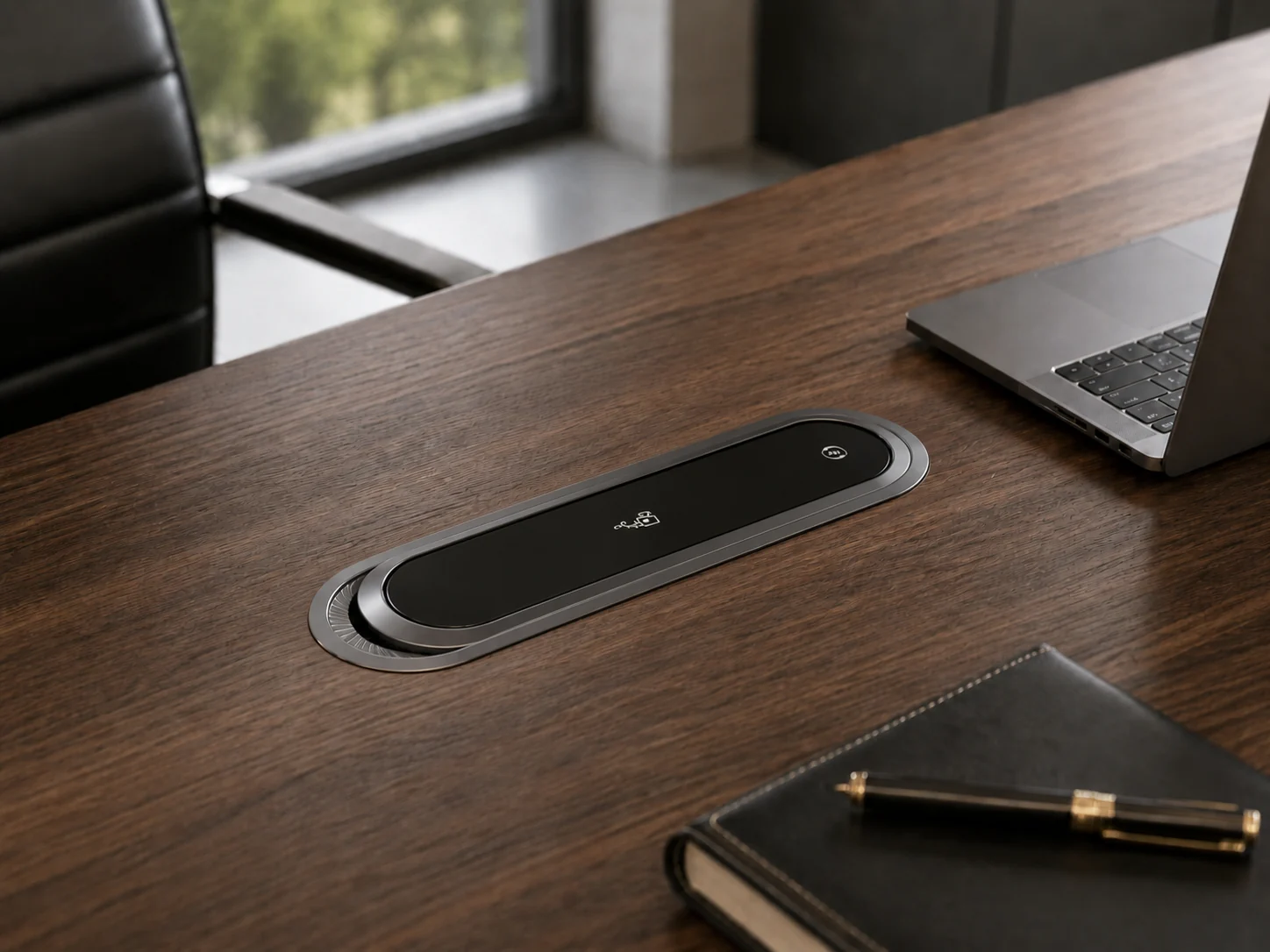
Start with the information you already have
You do not need a perfect specification before contacting Sooye Studio. Send the product image or current model, intended application, destination, furniture drawing if available, quantity range, sample need and the questions you cannot yet answer. We can use a provisional project reference while the product and configuration are being reviewed.
The important point is that provisional information stays provisional. It should not silently become a public specification, order commitment or certification claim. That discipline is how “Clear sourcing before commitment” becomes an operating system rather than a slogan.
Who is Sooye Studio?
Supplier trust center
Review 18 current models
Prepare a written RFQ
Discover the relevant product, verify its evidence, review a paid sample and move into an RFQ with the open questions visible. We would rather state what still needs confirmation than promise a configuration that has not been reviewed.
Entity facts used on this page were confirmed by Sooye Studio. Factory imagery, production-process details and formal certificate-to-model mappings remain unavailable or unconfirmed and are therefore not claimed.