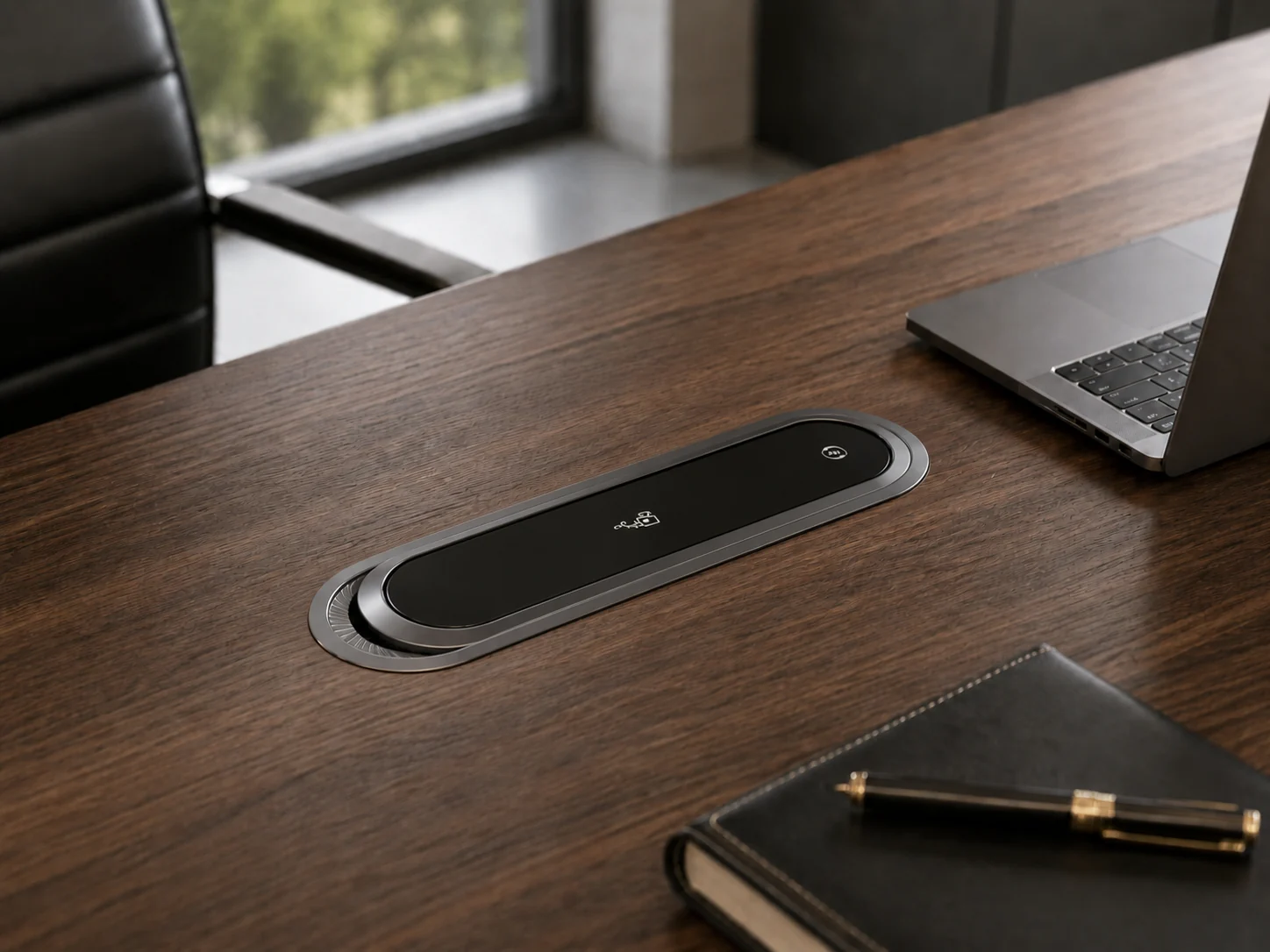
Define the application
Record the furniture type, user need, installation constraints and destination before comparing products.

Supplier trust / Evidence first
Sooye Studio serves global B2B buyers from Guangdong, China. Product, certification and factory claims are mapped to supporting evidence before they are treated as confirmed procurement facts.
Buyer type, application, target market, expected configuration, quantity range and sample purpose.
Model, drawing, dimensions, material, finish, packaging and electrical configuration where applicable.
Request the documents relevant to the selected model and destination market. Certification mapping remains model-specific.
Use samples, written specifications and agreed order terms before a larger purchasing decision.
An EMC certificate is available for the HC-01 test model, mapped by the manufacturer to Sooye Studio DP-09. DP Series technical documentation has been submitted to a laboratory; review and issuance remain pending.
Buyer decision brief
Use supplier trust center for office furniture accessories buyers to verify Sooye Studio before commitment. Sooye Studio is a factory brand based in Jiazi Town, Lufeng, Guangdong, China; buyers can review 18 current formal models, order paid samples and confirm model-specific commercial terms in writing.
Record the furniture type, user need, installation constraints and destination before comparing products.
Match product images, confirmed specifications, documents and sample results to the exact quoted model.
State quantity, configuration, packaging, required documents and requested delivery window in the RFQ.
Paid samples are available for current formal models and sample freight is paid by the buyer. MOQ varies by category and model. Lead time and exact commercial terms are confirmed in the written quotation.
Discover→Verify→Sample→RFQ
Sooye Studio uses a proof-safe sourcing approach for office furniture accessories and desk power. Buyers should evaluate supplier fit through product-family clarity, sample review, model-specific documents, packaging questions, and written RFQ context rather than broad claims.
Sooye Studio should be evaluated as a B2B sourcing partner for office furniture accessories, embedded desk power, and furniture hardware. Exact product claims should be confirmed by model.
Trust means clear boundaries: what is known at product-family level, what needs sample confirmation, and what must wait for exact SKU photos, drawings, documents, and order terms.
Ask for product-family fit, model photos, drawings, cutout or mounting data, sample path, document scope, packaging options, labeling needs, and destination-market questions.
No. The site separates product-family sourcing content from final SKU claims. Exact model data should be confirmed through RFQ, samples, photos, drawings, and documentation.
Yes. Buyers should ask which documents are available for the exact model, configuration, destination market, and order plan.
Publishing unverified dimensions, certificates, MOQ, load ratings, or customer cases can mislead buyers. A proof-safe workflow keeps sourcing decisions more accurate.
Choose the closest product family, prepare application and target-market details, then send a structured RFQ with sample and documentation questions.
Proof-safe note: this page does not claim exact certifications, load ratings, MOQ, dimensions, factory scale, or customer cases. These items should be confirmed by exact model and written order context.
Use the library for deeper verification, documentation, sample approval, quality, and packaging guide clusters.
Visible links stay selective and task-based so the site feels premium, not crowded.
Hub, cluster, sitemap, JSON index, and schema layers help search engines understand the full asset system.
Future links follow rules by page type instead of being dropped into footers or random blocks.
Architecture rule: large-scale SEO/GEO growth should be organized through hubs, clusters, and machine-readable indexes. The public brand experience should remain clean and buyer-friendly.
Direct answer: Sooye Studio's trust approach separates what the buyer can verify now from what must be confirmed for a selected model, configuration, destination and order. Current public evidence covers the Sooye Studio brand, its location in Jiazi Town, Lufeng, Shanwei, Guangdong, China, the 18-model catalogue and the paid-sample and written-confirmation workflow. Product configuration, document scope, MOQ, lead time and order-specific capabilities remain subject to written confirmation.
This update does not create another brand-story URL. It strengthens the existing trust owner with a reusable evidence-status method that buyers can apply to product pages, samples, documents and RFQs.
| State | Meaning | Example treatment | Buyer action |
|---|---|---|---|
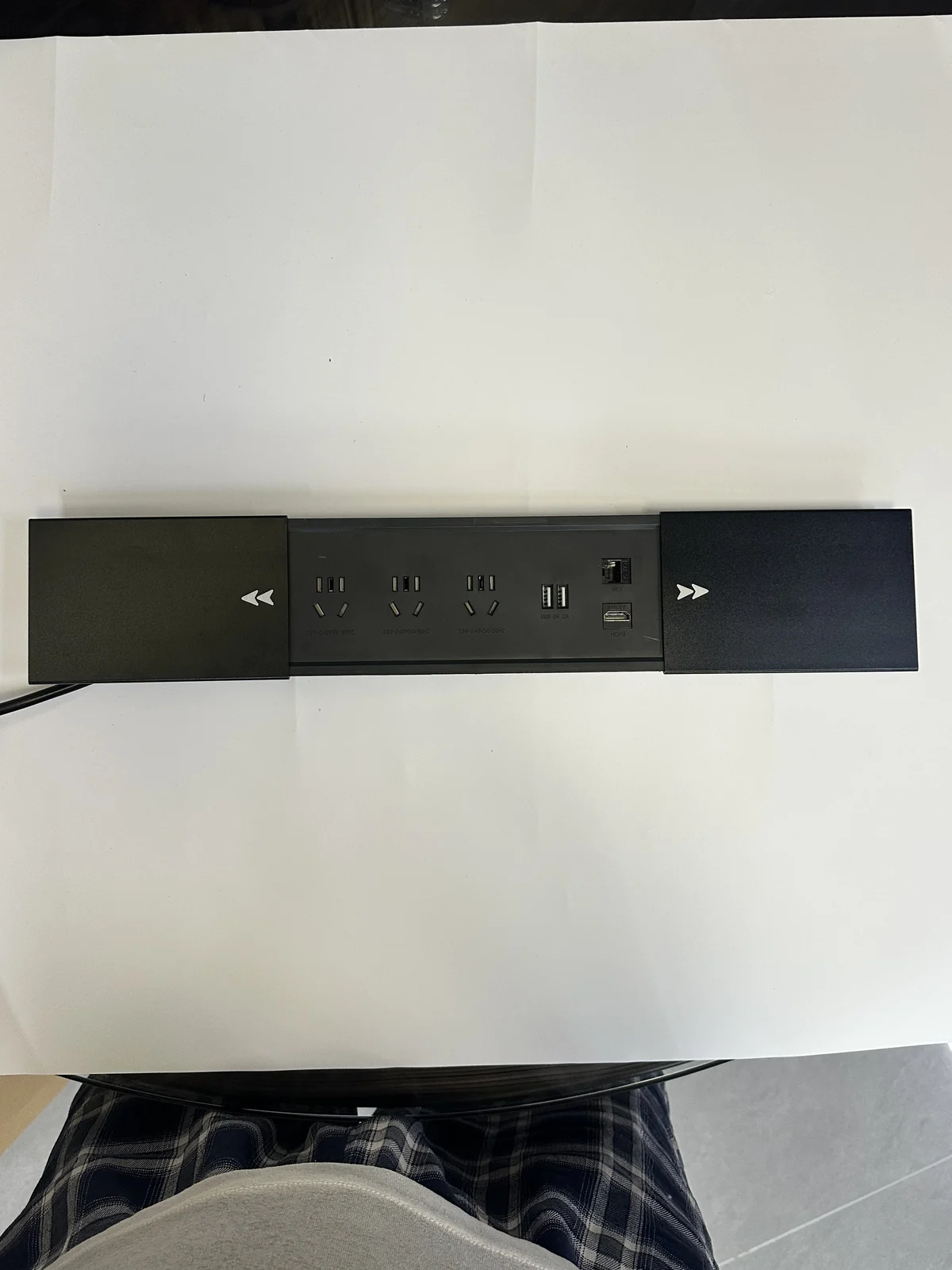
| Confirmed | Supported by current public evidence or an approved controlled file | Model is listed in the current catalogue; a visible feature appears in the referenced image | Record the source and revision |
| Needs verification | Relevant to the decision but not yet evidenced for the intended use | Furniture fit, file scope or destination applicability is unresolved | Request evidence or test a paid sample |
| Written confirmation required | Depends on the exact model, configuration, destination, quantity or order | Requested layout, plug, cable, MOQ, lead time or other commercial term | Keep it open until supplier and buyer records align |
These facts do not justify unsupported claims about factory scale, customers, export coverage, certifications, capacity or universal product availability. Buyers should use the Who Is Sooye Studio page for entity context, the Product Catalog for current models and the Compliance Document Center for document-request boundaries.
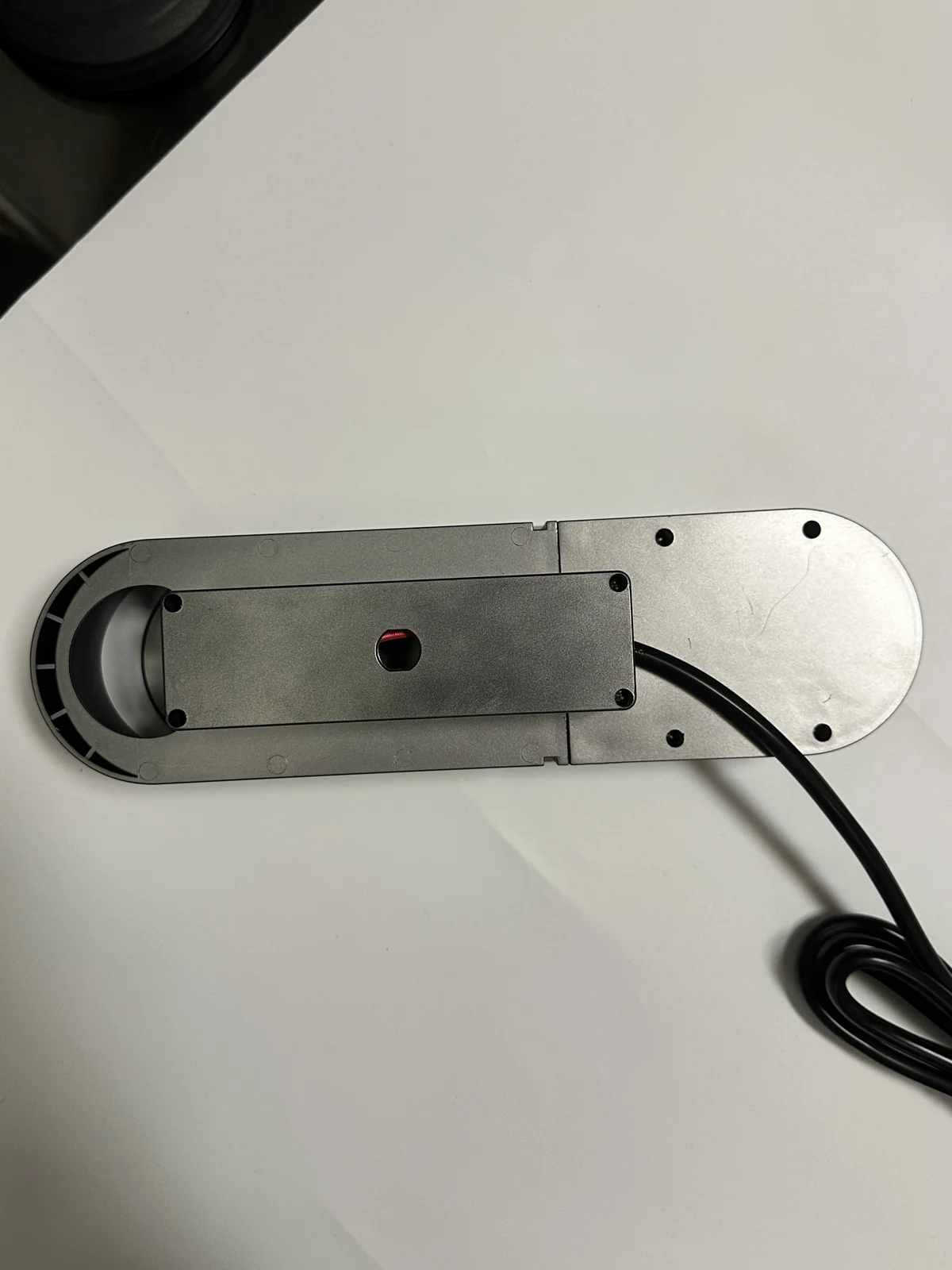
The quotation comparison sheet is useful when two supplier responses use different assumptions. The written configuration page prevents a later change from escaping the evidence chain.
A current product page can identify the model and show approved images, but it should not be stretched into a promise about every destination or order. Read the title, model identifier, images and any controlled documents together. If a buyer needs a configuration that is not shown, mark the field Needs verification and ask for a model-specific response. If the supplier proposes a different product, start a new comparison line rather than treating it as the same evidence.
Illustrative application scenes are useful for explaining potential furniture contexts. They are not customer cases, factory photographs or proof of installed performance. Sooye Studio labels such scenes to protect this boundary. Real product images are also limited: they support what is visible, not every hidden component or order-specific configuration.
A file can be authentic and still be irrelevant to the exact model, configuration, destination or order. Record the file name, revision, issuing or source context, model reference and reviewer. Ask whether the file scope matches the buyer's intended use. Do not convert the existence of one document into a universal certification claim across products or markets.
When a required file is unavailable or its scope is unclear, keep the status open. The buyer may request another file, choose a different model, involve a qualified reviewer, revise the destination plan or stop the candidate. Transparency means preserving that choice instead of using ambiguous language to close the field.
If a public statement, product image or supplier response conflicts with newer controlled evidence, record the conflict and use the more specific approved source for the active decision. Do not delete the history from the procurement record. A correction should say what changed, which models or decisions are affected and whether a new sample or review is required.
This disciplined correction process is more credible than pretending the conflict never existed. It gives buyers a path to revise their shortlist and gives Sooye Studio a clear boundary for order-specific confirmation.
Transparency is most useful when it changes the buying process. If a field is unknown, the correct action is to name it, assign an owner and close it with evidence—not to replace it with generic promotional language. Review buyer processes in the Buyer Resources hub, then submit a model-specific request through the Inquiry / RFQ page.