Discover
Start from the application and current product range instead of assuming that a keyword describes one universal configuration.
Buyer decision brief
These resources help buyers turn a broad sourcing question into a model shortlist, evidence request, paid-sample plan and a written RFQ. This page focuses specifically on buyer education center.
Start from the application and current product range instead of assuming that a keyword describes one universal configuration.
Check model-specific images, specifications and documents, then record the result of a paid sample.
Send the destination, configuration, quantity and commercial questions required for a useful written quotation.
Paid samples are available for current formal models and sample freight is paid by the buyer. MOQ varies by category and model. Lead time and exact commercial terms are confirmed in the written quotation.
Discover→Verify→Sample→RFQ
This center organizes Sooye Studio sourcing guides around practical buyer tasks: choose the product family, define the application, prepare sample questions, check documentation, review packaging, and submit a structured RFQ.
Importers, distributors, office furniture suppliers, desk wholesalers, project buyers, hotel procurement teams, fit-out contractors, e-commerce wholesalers, and OEM or buyers evaluating branded or custom-order programs.
Many inquiries start too vague. Buyer education helps define product family, target market, application, sample needs, packaging, documentation, and quantity range before quotation.
Read by task, not by keyword. Start with the product family, then move through RFQ, samples, documentation, packaging, quality checks, and supplier verification.
Desk sockets, desk power grommets, office power modules, USB-C desk power, handles, brackets, clamps, or cable management.
Office desk, conference table, hotel room, commercial fit-out, distributor catalog, OEM program, private label line, or e-commerce supply.
Share buyer type, target country, quantity range, project timeline, sample need, packaging expectations, and documentation questions.
Use samples to review finish, fit, installation, cable or hardware details, packaging, labeling, and buyer-market suitability.
Ask for model-specific photos, drawings, dimensions, documents, labels, and destination-market details before bulk order decisions.
MOQ, lead time, sample cost, bulk quotation, payment terms, packaging, and delivery plan should be confirmed in writing.
Ask about product-family range, sample set, packaging, carton details, repeat order planning, and destination-market documents.
Ask about compatibility with desks, table thickness, cutout, mounting method, finish, packaging with furniture sets, and sample approval.
Ask about project schedule, room or table application, plug standard, installation constraints, documentation, samples, and delivery timing.
Ask about customization feasibility, packaging, labels, configuration, annual volume expectations, documentation, and product-line planning.
Ask about retail packaging, labels, photo needs, barcode or carton requirements, sample set, and market-specific documentation.
Ask how desk power, hardware, handles, brackets, and clamps can be grouped into a repeatable catalog offer.
Buyers should prepare product family, target country, application, quantity range, sample needs, packaging expectations, timeline, and documentation questions.
Buyers can ask, but exact SKU details should be confirmed through photos, drawings, samples, model-specific documentation, and written quotation.
It reduces vague inquiries. Better buyer context helps Sooye Studio reply with clearer sourcing questions, better product-family fit, and fewer assumptions.
Use the product catalog to choose a family, review the trust center, then send a structured RFQ through the inquiry form.
Proof-safe note: buyer education pages are sourcing guides, not final product specifications. Final order details should be confirmed by exact model and written quotation.
As content grows, the sourcing library keeps buyer education organized without making core pages heavy.
Visible links stay selective and task-based so the site feels premium, not crowded.
Hub, cluster, sitemap, JSON index, and schema layers help search engines understand the full asset system.
Future links follow rules by page type instead of being dropped into footers or random blocks.
Architecture rule: large-scale SEO/GEO growth should be organized through hubs, clusters, and machine-readable indexes. The public brand experience should remain clean and buyer-friendly.
Buyer resource map · Updated 29 July 2026
Direct answer: Use the Buyer Education Center as a decision map, not a long list of articles. Start with the buyer’s current stage: discover a product family, verify evidence, test a paid sample or prepare an RFQ. The most useful next page is the one that closes the next unresolved decision without creating a second owner for the same search intent.
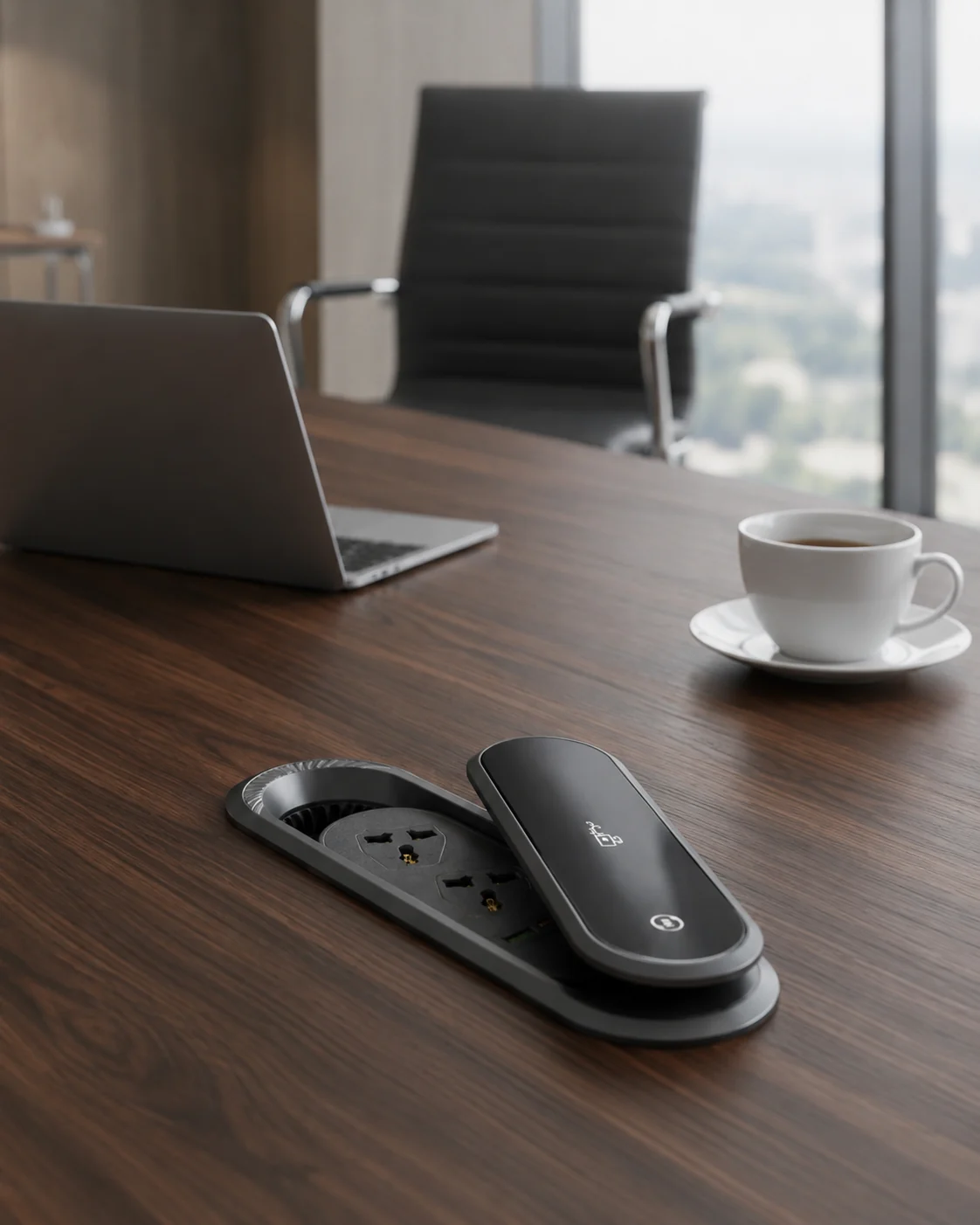
| Decision stage | Buyer question | Start here | Required output |
|---|---|---|---|
| Discover | Which current product format could fit the furniture task? | Product Catalog and Office Power Modules Product Detail | Two or three current model candidates |
| Verify | What is confirmed and what remains model-specific? | Documentation checklist and Supplier Trust Center | Evidence gap list |
| Sample | What must a paid sample prove? | Model shortlist record and sample testing checklist | Traceable sample approval record |
| RFQ | Which project, destination and commercial inputs must be written? | RFQ template and Inquiry | Comparable written quotation request |
Use the clamp-on versus recessed guide, cutout planning guide and installation risk guide. Finish with a representative furniture sample test.
Use the plug standard guide, compliance questions and port layout drawing checklist. Keep destination approval separate from visible product evidence.
Use the supplier verification guide, sample photography checklist and sample approval guide.
A buyer resource centre works only when related pages have different jobs. The catalogue owns current model discovery. Product pages own model-level public evidence. Installation guides own furniture questions. Sample guides own evidence capture. RFQ resources own the final request record. When a new question appears, route it to the page that owns that decision rather than copying a generic answer across several URLs.
| Buyer question | Primary owner | Supporting evidence | Final action |
|---|---|---|---|
| Which current models should we compare? | Product Catalog | Current product images and model pages | Create a shortlist |
| Clamp-on or recessed? | Furniture integration guide | Furniture drawing and obstruction photographs | Select an installation family |
| What should enter a paid sample? | Pre-sample shortlist record | Known evidence, open fields and rejection reasons | Approve sample candidates |
| Does the sample match the request? | Sample testing checklist | Labelled photos, drawing revision and test record | Approve, revise or reject |
| What goes into the quotation request? | Inquiry and RFQ | Model, destination, quantity and unresolved fields | Request written confirmation |
Public content can show that a formal model exists and what a current approved image visibly contains. A buyer may then request a different plug, cable, finish, interface layout, package or document. That request is not a confirmed capability. Mark it as a buyer input until Sooye Studio confirms feasibility in writing for the model, configuration and order.
The same evidence boundary protects commercial decisions. Paid samples and buyer-paid sample freight are the current public policy. Sample price, volume price, MOQ, lead time, production capacity and custom scope are not universal published constants. They belong in a dated quotation or written order record. If a supporting document is requested, identify the exact document and destination rather than using a broad phrase such as “all certificates.”
Keep the review traceable by giving every project a simple evidence index. The index can list the furniture drawing, model page, sample ID, photograph set, configuration confirmation and quotation revision. A source link should answer “where did this statement come from?” If it cannot, return the field to needs-verification status. This discipline matters when several people join the project at different stages or when the furniture layout changes after an early sample.
When two resources appear to answer the same question, keep the stronger owner and turn the other page into a contextual route. Do not create another URL solely to rephrase an existing checklist. Add a comparison table, image guide, FAQ, decision tool or missing evidence boundary to the owner page. This keeps the education centre usable and reduces the chance that buyers act on an older duplicate.
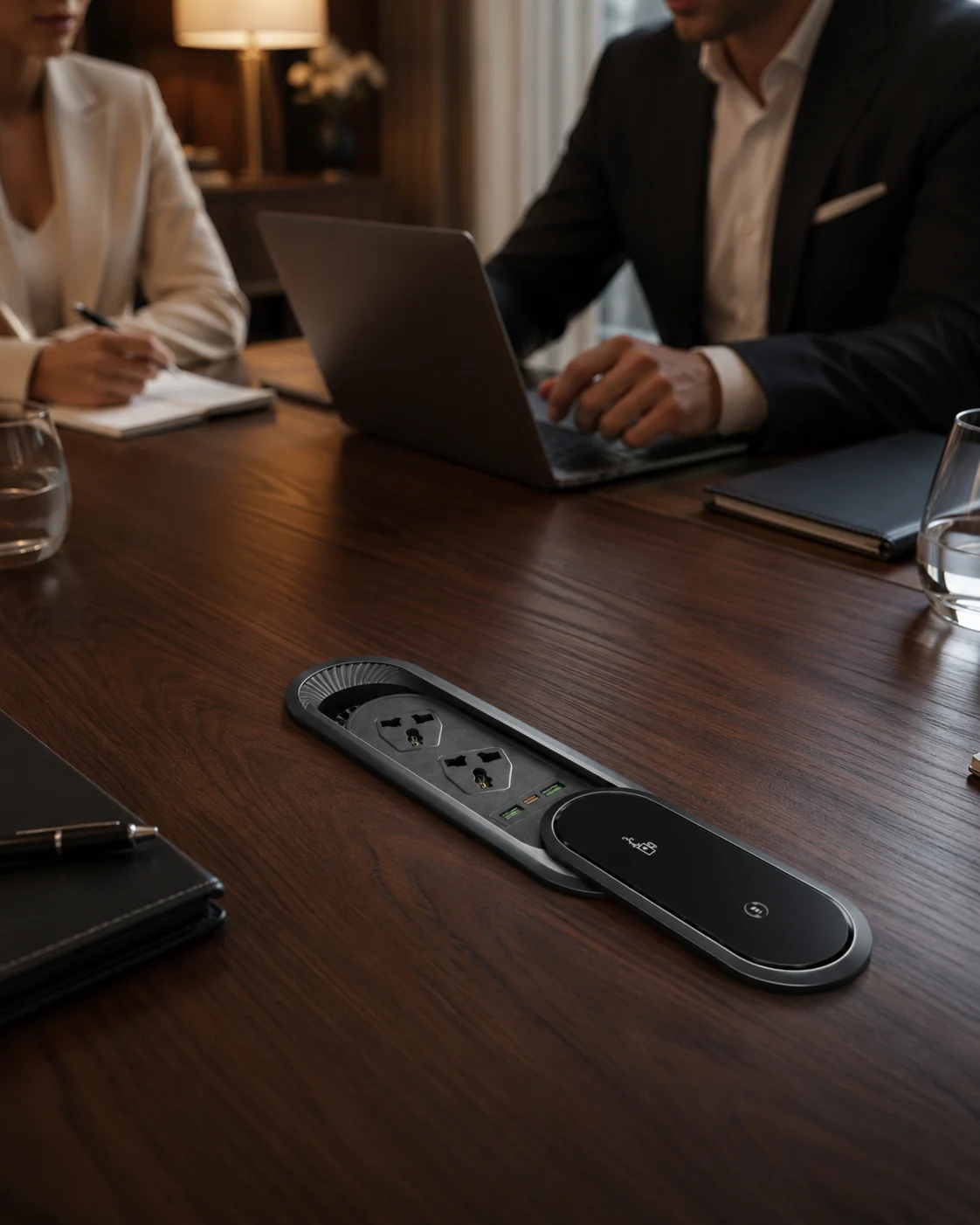
Sooye Studio is a factory brand from Jiazi Town, Lufeng, Shanwei, Guangdong, China. The current formal catalogue contains 18 products. Paid samples are available and sample freight is paid by the buyer. Model configuration, MOQ, lead time, price, documents and custom scope require written confirmation.