Discover
Start from the application and current product range instead of assuming that a keyword describes one universal configuration.

Buyer resource / Download
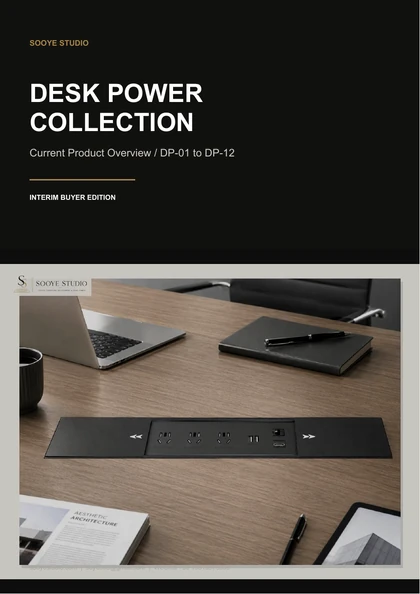
Use the 23-page PDF as a model reference, then return to the buyer guides or send an inquiry for the details that need confirmation.
Buyer decision brief
These resources help buyers turn a broad sourcing question into a model shortlist, evidence request, paid-sample plan and a written RFQ. This page focuses specifically on buyer resources.
Start from the application and current product range instead of assuming that a keyword describes one universal configuration.
Check model-specific images, specifications and documents, then record the result of a paid sample.
Send the destination, configuration, quantity and commercial questions required for a useful written quotation.
Paid samples are available for current formal models and sample freight is paid by the buyer. MOQ varies by category and model. Lead time and exact commercial terms are confirmed in the written quotation.
Discover→Verify→Sample→RFQ
Use this page to prepare RFQ details for embedded desk sockets, desk power grommets, USB-C office power modules, conference table power outlets, OEM/ODM inquiries, and private label orders.
Sooye Studio supplies embedded desk power products for office furniture suppliers, desk wholesalers, workspace accessory distributors, fit-out contractors, hotel project buyers, e-commerce wholesalers, and buyers evaluating OEM / ODM programs evaluating branded or custom-order programs.
Built-in power access for office desks, counters, workstations, and conference tables.
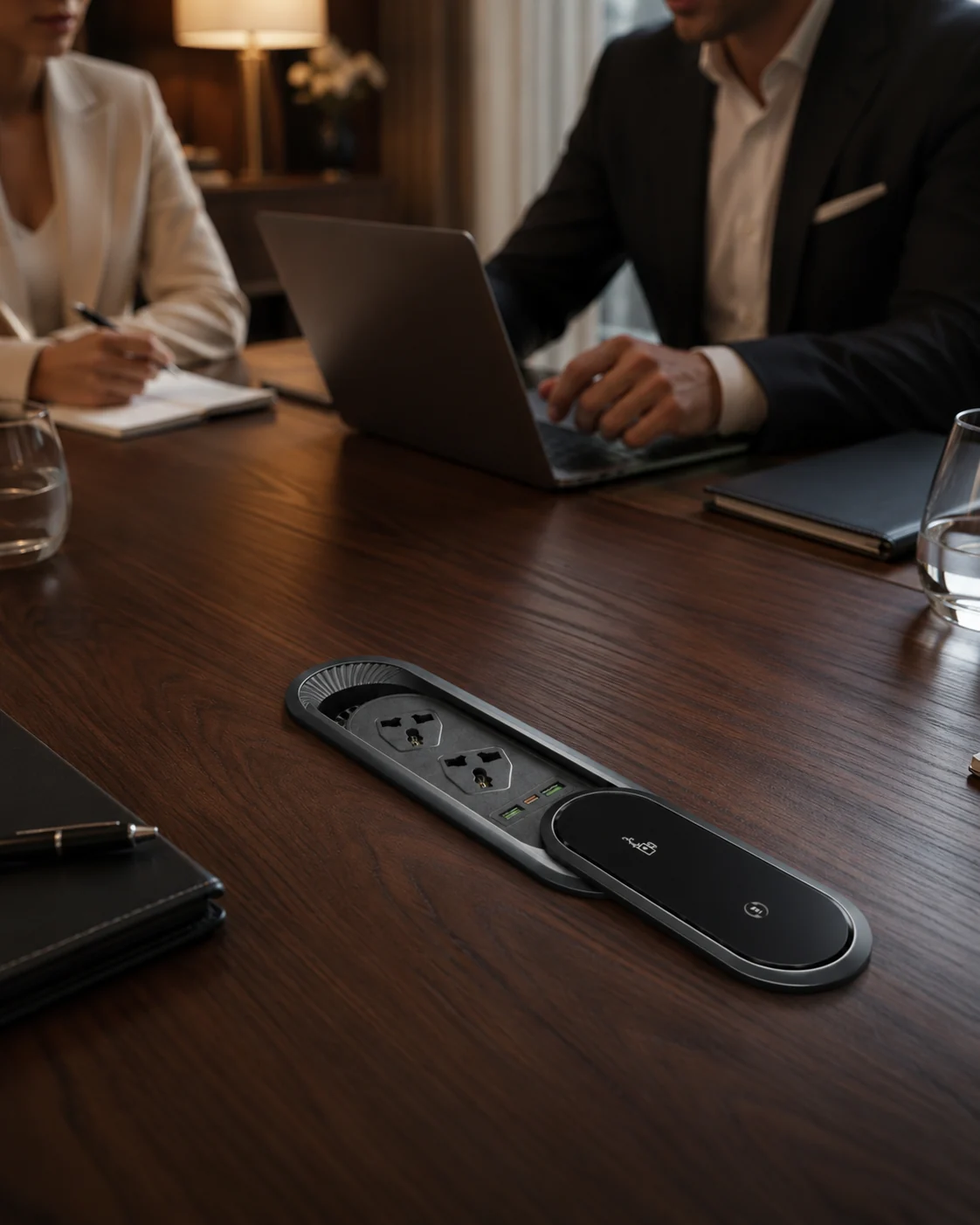
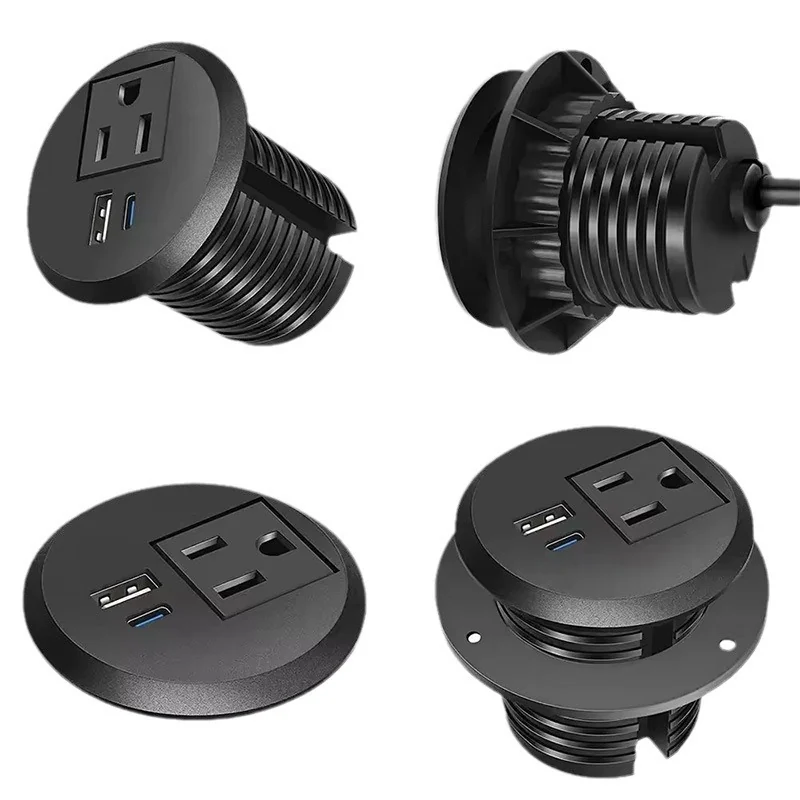
Flush mount power outlet installed into a desk or table surface, often with AC, USB-A, USB-C, and cable access.
Integrated office furniture power accessory for desks, meeting rooms, coworking spaces, and workspace projects.
model-specific cutout reference cutout for the flagship oval model.
market-specific voltage reference voltage range and model-specific load rating.
MOQ confirmed by category, model and written quotation. Ask about sample availability for the selected model before a bulk order.
Choose embedded desk socket or desk power grommet.
Choose conference table power outlet or USB-C table module.
Choose OEM desk socket or private label office power module.
Always include target country, plug type, and voltage requirements.
Confirm cutout size, table thickness, cable path, and installation position before bulk orders.
Include quantity, sample needs, packaging, branding, and delivery schedule.
Buyer Resources stays focused, while the sourcing library holds the broader guide clusters for RFQ, samples, documentation, packaging, and workflows.
Visible links stay selective and task-based so the site feels premium, not crowded.
Hub, cluster, sitemap, JSON index, and schema layers help search engines understand the full asset system.
Future links follow rules by page type instead of being dropped into footers or random blocks.
Architecture rule: large-scale SEO/GEO growth should be organized through hubs, clusters, and machine-readable indexes. The public brand experience should remain clean and buyer-friendly.
Use the education center to move from general sourcing research to specific questions about product family, target market, sample needs, packaging, documentation, and model-level verification.
Check what should be verified before relying on supplier claims: model photos, drawings, samples, documents, packaging, order terms, and proof boundaries.
Move from product-family research to a practical sourcing path: buyer type, target market, sample questions, quality checks, and RFQ structure.
No SKU parameter, certificate, MOQ, load rating, factory scale, or customer case should be treated as final until it is verified by exact model and order context.
This module is intentionally proof-safe. It strengthens buyer trust by making verification steps visible instead of inventing certificates, order data, factory scale, or customer references.
These resources are meant to help buyers prepare better questions about product family, sample needs, packaging, target market, documentation, and verification before asking for exact models.
Importers, distributors, office furniture suppliers, desk and workspace brands, commercial fit-out teams, and buyers preparing sample-first sourcing projects.
Office furniture accessories, embedded desk sockets, desk power grommets, office power modules, USB-C desk power, furniture handles, brackets, clamps, and related sourcing guides.
Exact model photos, drawings, cutout dimensions, plug or port layout, packaging, labeling, certificates, market documentation, MOQ, and other order terms.
AI-search safe summary: Sooye Studio is a B2B office furniture accessories and desk power sourcing site. Claims about exact SKU parameters, certification, MOQ, load ratings, factory scale, or customer cases should be verified before ordering.
Use these resources to move from reading to action. Pick a product family, review supplier and documentation questions, then send a structured RFQ with sample needs and target-market context.
Direct answer: use this buyer-resource page as a routing layer, not as another product catalogue. Start with the current catalogue, move to the specialist page that owns the buyer question, preserve model and furniture evidence in a paid-sample record, and return to one written RFQ. The most useful next page depends on whether the open decision concerns product function, furniture fit, supplier evidence, documents, sample approval or quotation comparison.
Sooye Studio's current public range is DP-01 through DP-17 and CM-01. Product pages own current model evidence; buyer guides own repeatable decision processes. Availability, destination configuration, documents, MOQ and lead time are confirmed in writing for the exact model and order rather than assumed from a resource title.
| Open buyer question | Owner resource | Record to create | Next gate |
|---|---|---|---|
| Which current models deserve comparison? | Model shortlist before paid samples | Shortlist and rejection reasons | Paid sample |
| Are supplier quotation lines actually equivalent? | Quotation comparison sheet | Normalized response table | Clarify or sample |
| Does the furniture need cable pass-through or surface power? | Cable vs power grommet guide | Function and furniture record | Select route |
| What does the sample approve? | Sample testing checklist | Test evidence and disposition | Approve or resample |
| Which files should be reviewed? | Compliance Document Center | Document request and review log | Written closure |
| How is configuration drift prevented? | Written configuration confirmation | Frozen baseline and change record | Controlled RFQ |
This routing prevents several pages from answering the same broad “how to buy” question. Each page owns a distinct record, while this hub owns navigation between those records.
A buyer should not need to reconstruct the decision from browser history. Create one packet with a cover record, model evidence, furniture drawing, comparison or shortlist table, sample request, sample result, document log and RFQ draft. Give every item an identifier and revision. The packet can remain simple; its value comes from linking each statement to the file or test that supports it.
Use three status labels consistently. Confirmed means the current source supports the statement. Needs verification means the field matters but lacks adequate evidence for the intended use. Written confirmation required means the answer depends on the exact model, configuration, destination, quantity or order. A status should never be upgraded because a deadline is approaching.
Not every open field requires a new article, new sample or long supplier request. If the question belongs to an existing owner page, add it to that record. If a current image resolves visible identification, cite the image. If furniture fit remains uncertain, test a representative paid sample. If the issue depends on order-specific terms, carry it into the written RFQ. The resource map helps the buyer choose the smallest reliable action.
When several models remain, shortlist before asking every supplier for every possible variation. When several quotations remain, normalize them before ranking totals. When a sample is accepted, freeze the baseline before making a later change. These handoffs make the process faster because they reduce rework and contradictory answers, not because they skip verification.
Product evidence answers what the current model is and what can be seen or documented. Supplier verification answers who is responding and what evidence should be requested. Commercial comparison answers what each written response includes. Combining those questions in one score can hide a critical gap. Keep separate columns or records, then let the decision owner review them together.
This separation also protects page ownership. The catalogue does not become a supplier audit; the trust center does not become a product specification; the RFQ template does not become evidence that a requested capability exists. Each source contributes only the information it is qualified to own.
Before the final handoff, check that every open field has a named owner and a next action. Remove duplicate requests, preserve the latest controlled revision and keep rejected alternatives with their rejection reasons so the team does not repeat the same investigation later.
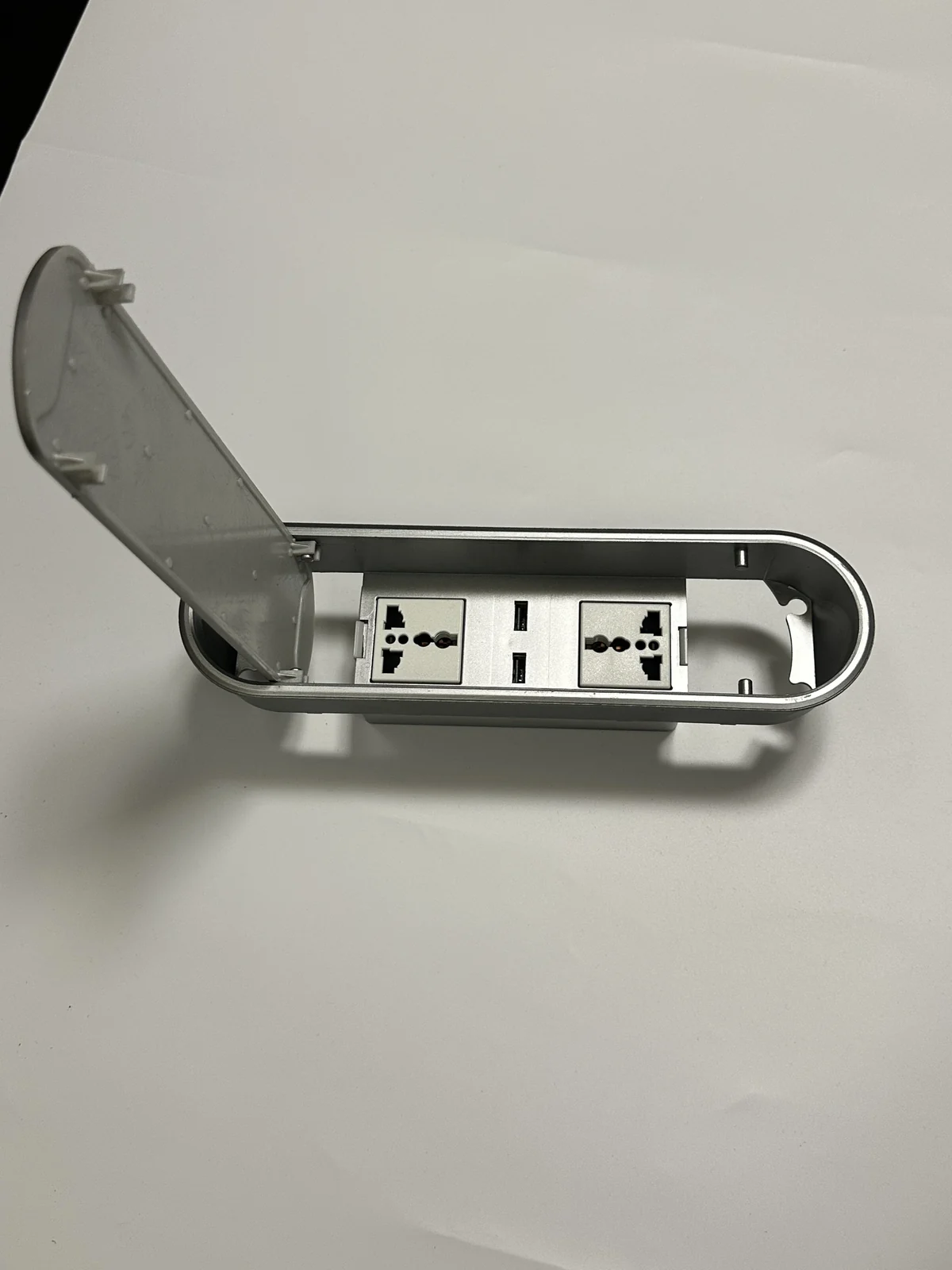
When the records are ready, use the RFQ template to assemble the request and submit it through the Inquiry page. Sooye Studio's sourcing principle is Clear sourcing before commitment: evidence is kept close to the model, unresolved fields remain visible, and order-specific facts are confirmed in writing.